
Halloween is a fun-filled time of year for families—but while your children are sorting through their trick-or-treat treasures, your pets may be eyeing that candy bowl too!
Unfortunately, many of our favorite Halloween treats can be dangerous for dogs and cats. Chocolate, sugar-free candy, candy wrappers, and even certain ingredients inside specialty treats can cause serious illness.
The good news? With a little preparation, you can keep your pets safe while everyone enjoys the spooky season.
🍫 Why Is Chocolate Toxic to Dogs and Cats?
Chocolate contains naturally occurring compounds called theobromine and caffeine, which belong to a group of stimulants called methylxanthines. Dogs are particularly sensitive to these compounds because they process them more slowly than humans.
Cats can also be affected by chocolate, although they are generally less likely to eat large quantities because they don’t have the same attraction to sweet flavors that dogs do.
Not all chocolate is equally dangerous. The darker and more concentrated the chocolate, the greater the risk.
In general, the concern increases in this order:
- White chocolate — very low in theobromine, but still high in fat and sugar
- Milk chocolate
- Semisweet chocolate
- Dark chocolate
- Baker’s chocolate
- Cocoa powder — extremely concentrated
Even if the amount eaten seems small, the risk depends on your pet’s size, the type of chocolate, and the amount consumed. A small dog that eats several pieces of dark chocolate may be at considerably greater risk than a large dog that eats the same amount.
Chocolate ingestion can cause vomiting, diarrhea, excessive thirst, restlessness, agitation, increased urination, rapid heart rate, abnormal heart rhythms, muscle tremors, and seizures. Severe cases can be life-threatening. Signs may not appear immediately and can develop several hours after ingestion.
🐕 “But My Dog Only Ate a Little!”
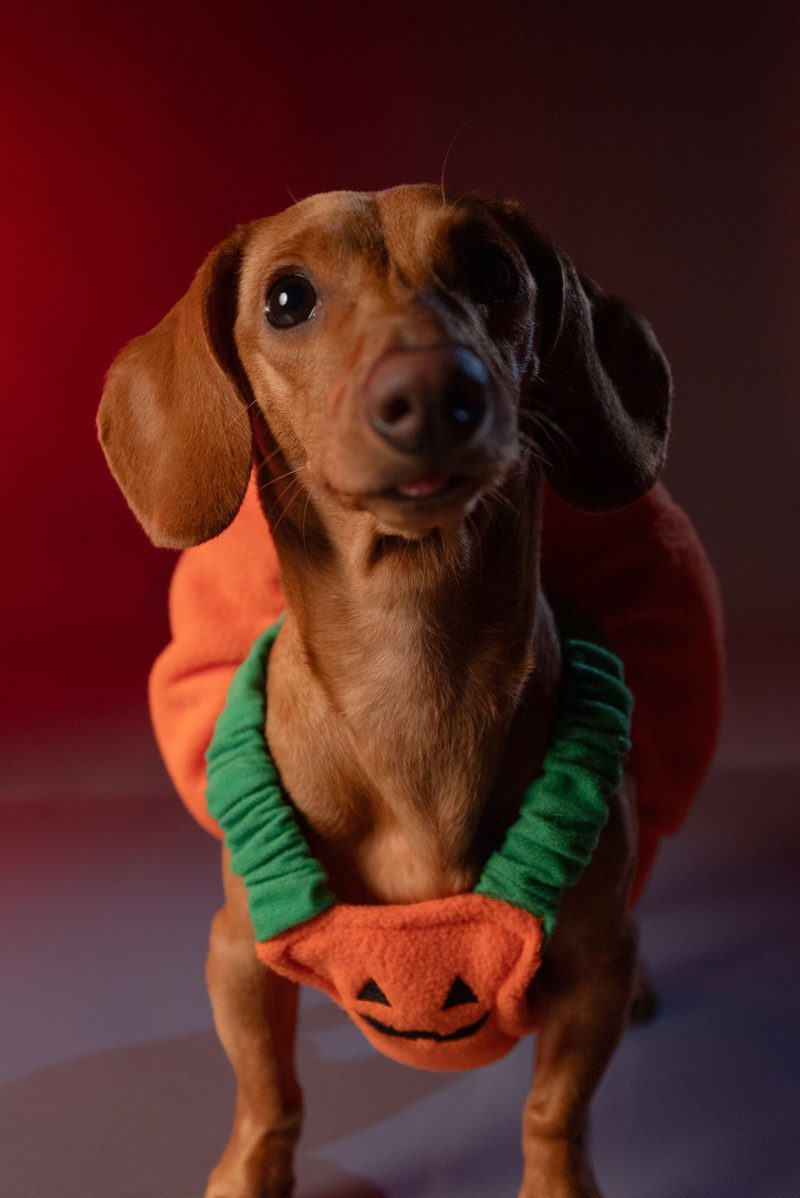
This is one of the most common things veterinarians hear around Halloween.
The problem is that “a little” means something different for every pet. A few pieces of milk chocolate may not cause serious toxicity in a large dog, while the same amount of a concentrated dark or baking chocolate could be much more concerning for a small dog.
That’s why it’s best not to wait for symptoms before calling your veterinarian.
If your pet has eaten chocolate, try to determine:
- What type of chocolate was eaten?
- Approximately how much was eaten?
- When did your pet eat it?
- What is your pet’s current weight?
- Was the chocolate part of another food or dessert?
- Did the product contain other potentially toxic ingredients?
Save the packaging! The label can provide important information that helps your veterinary team determine the potential risk.
🍬 Don’t Forget About Sugar-Free Candy
Chocolate isn’t the only Halloween candy that can cause problems. Some sugar-free candies, gums, and other products may contain xylitol, an artificial sweetener that can be extremely dangerous to dogs.
Xylitol can cause a rapid drop in blood sugar, potentially resulting in weakness, vomiting, loss of coordination, tremors, and seizures. In some dogs, serious liver injury can also occur.
Unlike chocolate toxicity, xylitol poisoning can become an emergency very quickly, so suspected ingestion warrants immediate veterinary advice—even if your dog appears completely normal.
One important distinction: xylitol is not considered a significant toxin in cats, but sugar-free products can contain other ingredients that may still be problematic.
🍭 What About Candy Wrappers?
Don’t overlook the wrappers!
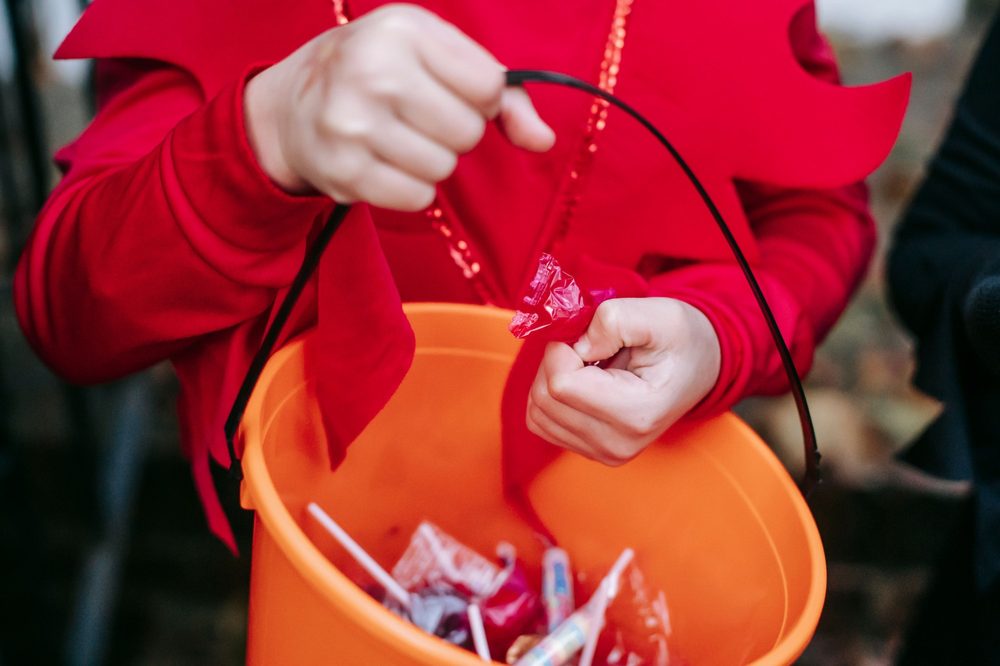
Dogs and cats may eat candy wrappers along with the treats. Foil, plastic, and cellophane wrappers can cause gastrointestinal irritation and, in some cases, contribute to an intestinal obstruction.
Cats in particular may be attracted to shiny wrappers and packaging.
If you notice that your pet has swallowed wrappers, contact your veterinary team for advice—especially if you notice vomiting, loss of appetite, abdominal discomfort, lethargy, or difficulty passing stool.
🧁 What About Halloween Baked Goods?
Halloween treats aren’t always as simple as a chocolate bar.
Cookies, brownies, cupcakes, and other homemade treats may contain additional ingredients that can be harmful to pets, including:
- Chocolate or cocoa powder
- Xylitol
- Raisins or grapes
- Macadamia nuts
- Excessive amounts of fat
Even when an ingredient isn’t technically “poisonous,” a large amount of rich, fatty food can cause significant gastrointestinal upset and may contribute to pancreatitis in susceptible pets.
🚨 What Should I Do If My Pet Eats Halloween Candy?
Don’t panic—and don’t wait for symptoms to appear.
If your dog or cat gets into Halloween candy:
- Remove access to the remaining candy.
- Find the packaging. Keep the wrapper, box, ingredient list, or take a photo of the label.
- Determine how much may have been eaten. An estimate is helpful, even if you’re not sure of the exact amount.
- Contact your veterinarian. Your veterinary team can help determine whether your pet needs to be examined or monitored at home.
- Don’t try to make your pet vomit unless specifically instructed. At-home attempts to induce vomiting can cause additional complications. Your veterinarian can determine whether vomiting should be induced and, if appropriate, the safest way to do so.
An animal poison control service can help assess the exposure. The ASPCA Animal Poison Control Center can be reached at (888) 426-4435. They may be able to help guide you on if your pet needs emergency veterinary care.
🩺 What Happens at the Veterinary Hospital?
Treatment depends on what your pet ate, how much was consumed, your pet’s size and health, and whether symptoms have developed.
For certain recent ingestions, your veterinarian may recommend removing the toxin from the stomach. Other patients may require monitoring, intravenous fluids, medications to control vomiting or tremors, heart monitoring, or treatment for abnormal heart rhythms or seizures.
The earlier a potentially toxic ingestion is addressed, the more options your veterinary team may have to reduce the risk of serious complications.
🎃 How to Keep Your Pets Safe This Halloween
The easiest way to prevent a Halloween candy emergency is to make sure your pet never gets access to the candy in the first place.
Try these simple tips:
🍫 Keep candy bowls and trick-or-treat bags somewhere pets cannot reach.
🍬 Don’t allow children to share candy with pets—even “just one piece.”
🗑 Keep candy wrappers and trash securely covered.
🔎 Check labels on sugar-free products for xylitol.
🚪 Consider keeping pets in a quiet room away from the front door during peak trick-or-treating hours.
🐕 Make sure pets have identification in case they accidentally escape during the Halloween festivities.
🐈 Keep Halloween decorations and small costume accessories away from curious pets.
🐾 A Pet-Safe Halloween Is the Best Kind of Halloween
Halloween candy may be a delicious treat for humans, but it isn’t a treat your pets should share.
A little preparation can go a long way toward preventing an unnecessary trip to the emergency veterinarian. Keep the candy bowl out of reach, teach children not to share their treats, and remember that if your pet does get into the Halloween candy, it’s better to call your veterinarian sooner rather than later.
From all of us at West Park Animal Hospital, we wish you and your two- and four-legged family members a happy, healthy, and safe Howl-oween! 🎃🐾
If you suspect your pet has eaten chocolate, xylitol, or another potentially toxic substance, contact your veterinarian or an emergency veterinary hospital promptly. You can also contact the ASPCA Animal Poison Control Center at (888) 426-4435.
Pet Poison Helpline
Pet Poison Helpline is staffed by veterinary toxicology professionals who can help determine:
- What substance your pet was exposed to
- Whether the amount ingested could be toxic
- What signs you should watch for
- Whether your pet needs immediate veterinary attention
- What information your veterinarian may need to treat your pet
Pet Poison Helpline can also work directly with your veterinarian when a pet requires treatment.
There is currently a consultation fee per incident, which includes follow-up consultations related to the same poisoning case.
🚨 Don’t Wait for Symptoms
If you know or suspect that your pet has eaten chocolate, xylitol-containing candy, or another potentially toxic substance, don’t wait for symptoms to appear before calling for help.
Some toxins can cause serious problems before obvious symptoms develop. For example, xylitol can cause dangerously low blood sugar in dogs very rapidly, while chocolate toxicity can lead to gastrointestinal, cardiovascular, and neurologic problems.
When you call, have the candy wrapper, package, ingredient list, or a photo of the product available if possible. Information about the type and amount of chocolate or other ingredients can be extremely helpful when determining the appropriate next steps.
Important: Do not attempt to make your pet vomit or give them a home remedy unless you have been specifically instructed to do so by your veterinarian or a veterinary toxicology professional.
If your pet is showing severe symptoms—such as seizures, collapse, difficulty breathing, severe tremors, or loss of consciousness—seek veterinary care immediately.
Ensuring your pet’s comfort and happiness is our priority, and the veterinarians and staff at West Park Animal Hospital are here to help. Our team can guide you through the initial treatment for toxin ingestion and make recommendations on further care or hospitalization.
We design our appointments to allow ample time for discussion, questions, and individualized care planning—because your pet deserves nothing less.
If you’d like to talk more about your pet’s needs, you can call us at (813) 749-6863 or schedule an appointment through our website.