
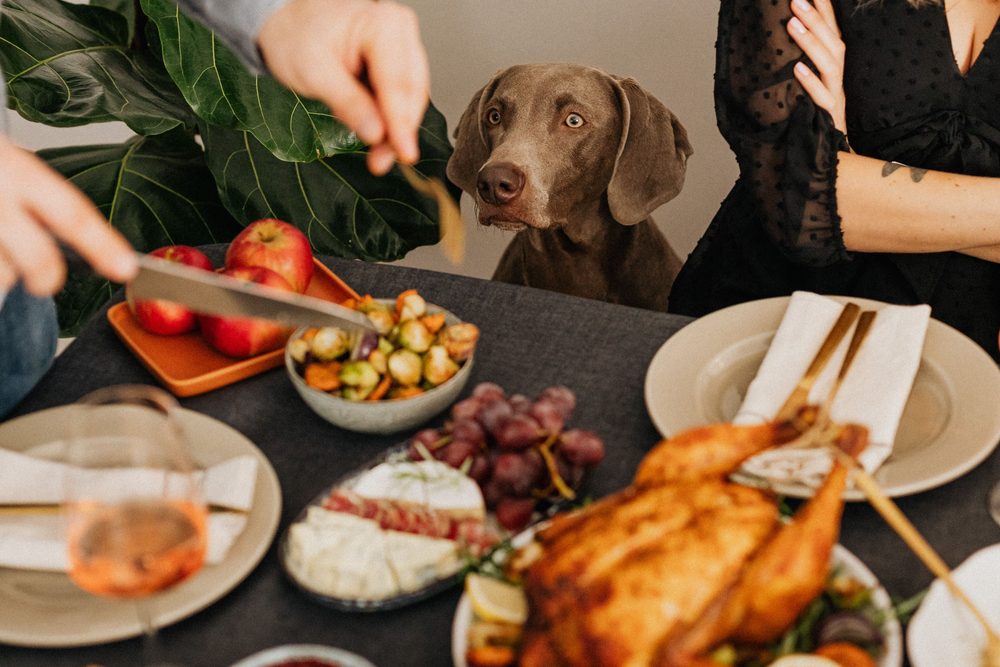
Thanksgiving is a time for family, friends, and—of course—lots of delicious food! While we may look forward to turkey, stuffing, mashed potatoes, and pumpkin pie, our pets often have their own ideas about what belongs on the Thanksgiving menu.
Unfortunately, those ideas can lead to a very unhappy tummy—or even a veterinary emergency.
Dietary indiscretion, commonly referred to as “eating something they shouldn’t,” is one of the most common reasons dogs and cats end up needing veterinary care around the holidays. With extra food, guests, dropped scraps, and overflowing trash cans, Thanksgiving can create plenty of opportunities for our curious companions to get into trouble.
Why Is Thanksgiving So Risky for Pets?
Dogs, in particular, are excellent opportunists. A counter covered in food or a garbage can full of tempting leftovers can be almost impossible to resist. Cats may be more selective, but they can still ingest foods, packaging, bones, or other items that can cause problems.
Even foods that are perfectly safe for people can cause digestive upset in pets—or contain ingredients that are dangerous for them.
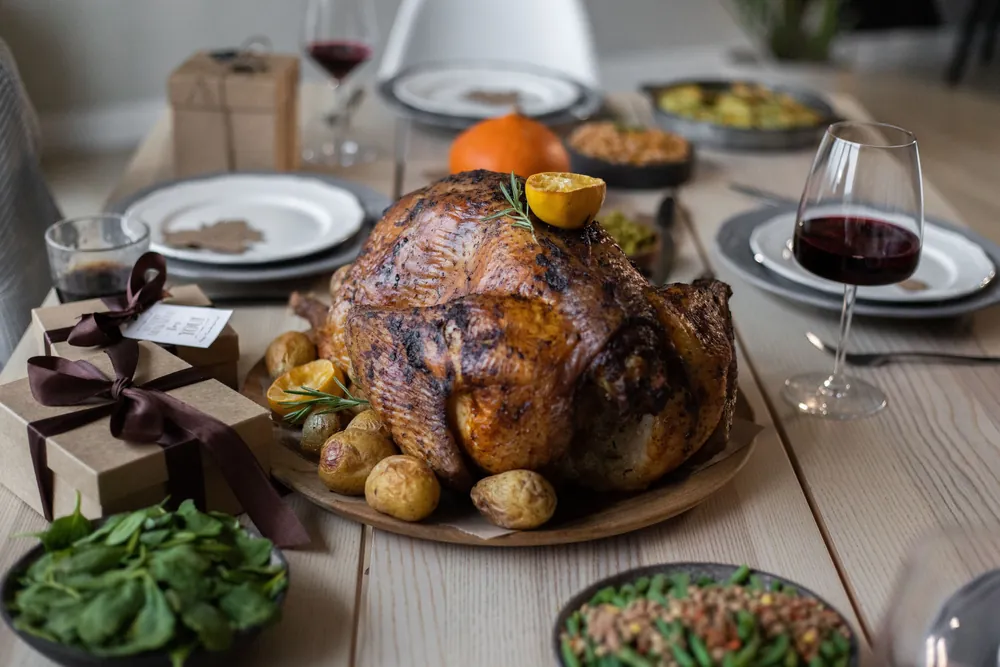
Common Thanksgiving Trouble Foods
🦃 Turkey Skin, Fat & Drippings
A small amount of plain, cooked turkey meat may be okay for many healthy pets, but turkey skin, fatty trimmings, and drippings are another story.
High-fat foods can cause vomiting and diarrhea and, in some pets, can contribute to pancreatitis, a painful inflammation of the pancreas. Pets that have experienced pancreatitis in the past may be particularly sensitive to rich foods.
If you want to share turkey with your pet, stick to a small amount of plain, fully cooked, boneless, skinless turkey meat without seasoning.
🧅 Onions, Garlic & Seasonings
Many Thanksgiving dishes contain onions, garlic, leeks, chives, or concentrated seasonings. These ingredients can be harmful to both dogs and cats.
The tricky part? They can be hidden in foods such as:
- Stuffing
- Gravy
- Mashed potatoes
- Green bean casserole
- Sauces and marinades
- Seasoned meats
Cats are especially sensitive to members of the onion family, so these ingredients should never intentionally be fed to them.
🍇 Grapes & Raisins
Fruit may seem like a healthy treat, but grapes and raisins should never be given to dogs. They can cause serious kidney problems in susceptible dogs, and there is no reliable way to predict which dog will become seriously ill.
Keep fruit salads, baked goods containing raisins, and grapes safely out of reach.
🍫 Chocolate & Desserts
Thanksgiving desserts can pose several risks.
Chocolate contains compounds that are toxic to dogs and cats, and darker chocolate generally contains higher concentrations. Baked goods may also contain other problematic ingredients.
And don’t forget about sugar-free desserts or candies. Some contain xylitol, a sweetener that can cause life-threatening low blood sugar and other complications in dogs.
Cats generally aren’t as interested in sweets as dogs, but that doesn’t mean they can’t get into them—especially when food is left unattended.
🍞 Raw Bread Dough
Raw yeast dough can be particularly dangerous for pets. Once swallowed, dough can continue to rise inside the stomach, potentially causing significant distension. Fermentation can also produce alcohol.
Keep rising dough well away from curious pets.
🦴 Turkey Bones
Cooked bones can splinter and cause serious problems if swallowed. They can become lodged in the mouth, throat, or gastrointestinal tract, or cause intestinal injury or obstruction.
Never give your pet cooked turkey bones.
The same rule applies to bones discarded in the trash. A determined dog can easily turn a Thanksgiving garbage bag into a buffet.
Don’t Forget About the Trash!
Sometimes the biggest Thanksgiving danger isn’t the dinner table—it’s the garbage can.
Turkey carcasses, bones, greasy paper towels, food wrappers, and spoiled leftovers can all be tempting to pets.
A pet that gets into the trash may consume a combination of fatty foods, bones, packaging, and other materials, increasing the risk of:
- Vomiting and diarrhea
- Pancreatitis
- Intestinal obstruction
- Gastrointestinal irritation
- Choking
- Intestinal injury
Consider keeping trash in a secure, pet-proof container or placing it somewhere your pets cannot access.
What About Thanksgiving Leftovers?
Sharing a little holiday meal with your pet can be a fun tradition, but moderation is key.
If you’d like to give your dog or cat a Thanksgiving treat, consider setting aside a small portion of plain, cooked turkey before adding butter, gravy, salt, garlic, onions, or other seasonings.
For dogs, small amounts of pet-safe vegetables such as plain green beans, carrots, or sweet potatoes may also be appropriate for many healthy pets.
However, every pet is different. Pets with conditions such as pancreatitis, diabetes, kidney disease, food allergies, or other medical concerns may need a more restricted diet.
When in doubt, stick with their regular food and treats.
Signs Your Pet May Have Eaten Something They Shouldn’t
Some cases of dietary indiscretion cause nothing more than a mild stomachache. Others can become serious quickly.
Contact your veterinarian if your pet develops:
- Repeated vomiting
- Persistent or severe diarrhea
- Loss of appetite
- Abdominal pain or a hunched posture
- Bloated or distended abdomen
- Excessive drooling
- Lethargy or weakness
- Tremors or seizures
- Difficulty breathing
- Straining to defecate
- Blood in vomit or stool
- Collapse
If you know or suspect that your pet has eaten something potentially toxic or swallowed a bone, wrapper, toy, or other foreign object, don’t wait for symptoms to appear. Contact your veterinarian or an animal poison control service for guidance.
A Few Simple Ways to Keep Pets Safe
A little preparation can go a long way toward preventing a Thanksgiving emergency.
Before the festivities:
- Remind guests not to feed pets from the table.
- Keep toxic or potentially dangerous foods out of reach.
- Make sure garbage cans are secure.
- Keep pets away from the kitchen while food is being prepared.
- Have pet-safe treats available for guests who want to spoil your furry family member.
- Make sure your pet has a quiet, comfortable place to retreat if the house becomes busy.
And remember: one well-meaning guest can accidentally cause a problem. Let family and friends know ahead of time what your pet can—and cannot—eat.
Keep Thanksgiving Fun for Everyone
Thanksgiving should be about spending time together, and our pets are an important part of the family. They don’t need to share every item on the Thanksgiving table to feel included.
Instead, give them some extra attention, a favorite toy, a pet-safe treat, or their own special meal made from ingredients you know are safe for them.
A little prevention can help ensure that the only thing your pet has to worry about this Thanksgiving is finding the coziest spot for an after-dinner nap!
From our veterinary family to yours, we wish you and your pets a happy, healthy, and safe Thanksgiving!
Ensuring your pet’s comfort and happiness is our priority, and the veterinarians and staff at West Park Animal Hospital are here to help.
We design our appointments to allow ample time for discussion, questions, and individualized care planning—because your pet deserves nothing less.
If you’d like to talk more about your pet’s needs, you can call us at (813) 749-6863 or schedule an appointment through our website.